


Costume jewelry is an affordable way to enjoy beautiful necklaces, earrings, bracelets, and rings without buying expensive precious metals. However, these pieces often need more careful cleaning than solid gold or sterling silver jewelry.
Many fashion jewelry designs have a thin gold or silver-colored coating over a base metal. Decorative stones may also be attached with glue instead of traditional metal settings. Using strong cleaners, soaking jewelry, or scrubbing too hard can damage the finish and loosen the stones.
Knowing how to clean costume jewelry properly helps maintain its appearance and extend its useful life. This guide explains gentle cleaning methods, what to avoid, and how to care for fake jewelry with delicate decorations.
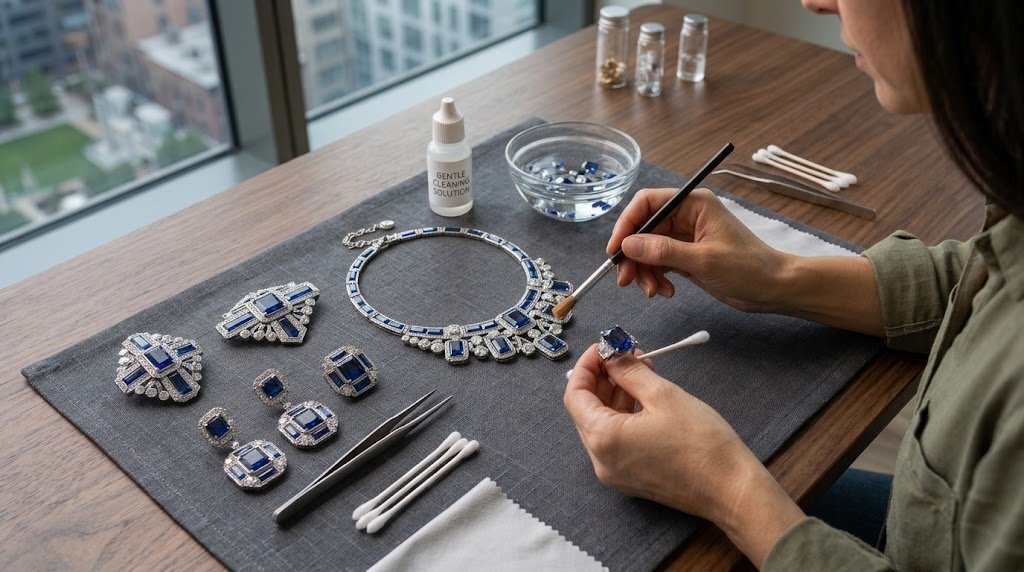
Why Does Costume Jewelry Need Special Cleaning?
Costume jewelry is often made from several materials combined in one design. These may include brass, zinc alloy, copper, glass, acrylic, imitation gemstones, and decorative coatings.
Unlike solid precious metals, plated jewelry has a thin outer layer that can wear away through friction and harsh cleaning. Once the coating becomes damaged, the metal underneath may become visible.
Glued stones create another challenge. Water and cleaning products can enter the spaces around the stones and weaken the adhesive.
For this reason, costume jewelry should be cleaned gently, with as little moisture as possible.
How to Clean Costume Jewelry Safely at Home
The safest approach is to start with dry cleaning. Only use a slightly damp cloth when necessary and when the jewelry’s materials allow it.
Step 1: Inspect the Jewelry
Before cleaning, examine the entire piece carefully.
Look for:
- Loose or missing stones
- Peeling or worn plating
- Cracks in decorative coatings
- Rust or corrosion
- Damaged clasps or chains
If a stone is already loose, avoid cleaning around it. Have the piece repaired first if it is valuable or important to you.
Step 2: Remove Dust With a Soft Cloth
Use a clean microfiber or lint-free cloth to gently wipe the jewelry.
Remove fingerprints, light dust, and everyday surface residue without applying pressure. This simple step is often enough to restore the appearance of lightly dirty pieces.
Step 3: Clean Small Details With a Dry Brush
A soft makeup brush can help remove dust from decorative patterns, small gaps, and areas around stones.
Use gentle movements. Avoid stiff toothbrushes, rough brushes, or anything that could scratch the plating.
Step 4: Use a Barely Damp Cloth Only When Needed
For suitable pieces with visible surface grime, slightly dampen a soft cloth with plain water. Wring it out thoroughly so it is not wet.
Gently wipe the exposed metal areas while keeping moisture away from glued stones, stone edges, and delicate coatings.
For pieces with uncertain materials, foil-backed stones, or fragile decorations, stick to dry cleaning unless the manufacturer’s instructions say otherwise.
Step 5: Dry Immediately
Use a separate dry cloth to remove any moisture.
Do not leave jewelry wet or place it in a closed storage box immediately after cleaning. Allow it to dry completely in a safe, ventilated place.
Cleaning Costume Jewelry With Glued Stones
Glued stones require extra attention because moisture can weaken the adhesive holding them in place.
Rhinestones, imitation crystals, and decorative glass pieces are commonly used in costume jewelry. Some designs also have reflective foil behind the stones, which can become cloudy if moisture gets inside.
How to Clean Around Glued Stones
Follow these precautions:
- Use a dry microfiber cloth to remove fingerprints and dust.
- Use a soft, dry brush around the edges of the stones.
- Avoid rubbing directly against loose or delicate stones.
- Do not pour water or cleaner onto the jewelry.
- Avoid soaking, steaming, or ultrasonic cleaning.
- Check that all stones remain secure after cleaning.
If dirt is trapped beneath a glued stone, do not try to force liquid into the setting. A professional jeweler may be able to assess whether cleaning or repair is possible.
How to Clean Fake Jewelry by Material
Different costume jewelry materials require different levels of care. When a piece contains multiple materials, follow the safest method for its most delicate component.
| Jewelry Type | Recommended Cleaning Method | Avoid |
|---|---|---|
| Gold-plated jewelry | Soft, dry microfiber cloth | Abrasive polish and scrubbing |
| Silver-colored plated jewelry | Gentle dry wiping | Silver cleaning dips |
| Rhinestone jewelry | Dry cloth and soft brush | Soaking and ultrasonic cleaners |
| Faux pearls | Soft, dry cloth | Alcohol and harsh chemicals |
| Acrylic jewelry | Soft, dry cloth | Solvents and abrasive products |
| Enamel jewelry | Gentle dry wiping | Scrubbing and chemical cleaners |
| Jewelry with glued stones | Dry cleaning around settings | Water soaking and steam |
If you are unsure about the material or finish, check the manufacturer’s care instructions before using any cleaning product.
What Should You Never Use on Costume Jewelry?
Some popular household cleaning methods are unsuitable for plated or glued costume jewelry.
1. Baking Soda
Baking soda can act as an abrasive. Rubbing it against a plated surface may scratch or wear away the decorative coating.
2. Toothpaste
Toothpaste is designed for teeth, not delicate jewelry finishes. Its polishing ingredients can damage thin plating.
3. Vinegar and Lemon Juice
Acidic household products may react with metal finishes and decorative coatings. Avoid experimenting with them on costume jewelry.
4. Alcohol and Nail Polish Remover
Alcohol and acetone-based products can damage certain coatings, adhesives, plastics, and decorative finishes.
5. Ultrasonic and Steam Cleaners
These devices are not suitable for many costume jewelry pieces. Vibration and heat can loosen glued stones or damage delicate components.
6. Long Water Soaks
Never leave plated jewelry with glued stones sitting in water or cleaning solutions. Moisture can enter the settings, weaken adhesives, and contribute to corrosion.
How to Make Costume Jewelry Last Longer
Regular care is more effective than frequent deep cleaning. A few simple habits can help protect your jewelry.
- Put jewelry on last: Apply perfume, lotion, sunscreen, and hairspray before wearing jewelry.
- Remove it before showering: Avoid wearing costume jewelry while bathing, swimming, or washing dishes.
- Keep it away from sweat: Remove pieces before workouts and heavy physical activity.
- Store pieces separately: Use individual soft pouches or compartments to prevent scratches.
- Keep jewelry dry: Store it away from damp bathrooms and humid areas.
- Handle stones carefully: Avoid pulling, pressing, or rubbing decorative stones.
These habits reduce unnecessary contact with moisture, chemicals, and friction.
When Should You Stop Cleaning Costume Jewelry?
Not every piece can be restored through cleaning. Sometimes the problem is damaged plating rather than dirt.
Stop cleaning if you notice:
- Large patches where the original plating has worn away.
- Stones that move or appear loose.
- Flaking or peeling decorative coatings.
- Green or dark corrosion on exposed metal.
- Cracked or damaged decorative surfaces.
Cleaning can remove surface dirt, but it cannot replace missing plating or repair damaged adhesive. If the jewelry has sentimental value, ask a professional about possible repair options.
Frequently Asked Questions
How do you clean costume jewelry without damaging it?
Start with a soft, dry microfiber cloth. If more cleaning is necessary, use a barely damp cloth only on suitable exposed metal areas and dry immediately. Avoid soaking and abrasive cleaners.
How do you clean fake jewelry that has turned black?
First, determine whether the dark appearance is surface dirt or worn plating. Gently wipe the piece with a dry cloth. If the base metal is showing through, cleaning will not restore the original finish.
Can you clean costume jewelry with dish soap?
Do not soak costume jewelry in dish soap and water. For suitable pieces, a tiny amount of mild soap on a barely damp cloth may help clean exposed metal, but keep it away from glued stones and delicate coatings.
How do you clean rhinestones without making them cloudy?
Use a dry microfiber cloth and a soft brush. Avoid soaking or allowing liquid to enter the back of the stones, especially when they have reflective foil backing.
Can baking soda clean fake jewelry?
Baking soda is not recommended for plated costume jewelry because its abrasive texture may scratch or wear away the finish.
Can costume jewelry be cleaned with alcohol?
Alcohol may damage plating, adhesives, plastics, and decorative coatings. Avoid using it unless the manufacturer specifically confirms it is safe for the particular piece.
How often should you clean costume jewelry?
Wipe jewelry gently with a dry cloth after wearing it. Deeper cleaning should only be done when necessary and according to the materials and manufacturer’s instructions.
Conclusion
Learning how to clean costume jewelry is mainly about protecting its delicate materials rather than using powerful cleaning products. Thin plating, glued stones, imitation pearls, and decorative coatings can all be damaged by soaking, scrubbing, and harsh chemicals.
Start with a soft, dry cloth and use minimal moisture only when appropriate. Keep liquid away from glued stones, dry every piece carefully, and store jewelry separately in a dry place.
With gentle handling and regular care, you can help your favorite costume jewelry maintain its appearance for longer.
